The beginning of the school year is always exciting. There are new teachers, fresh notebooks, and the promise of a new start. But once the excitement wears off and everyone settles into their routines, the realities of school begin to set in.
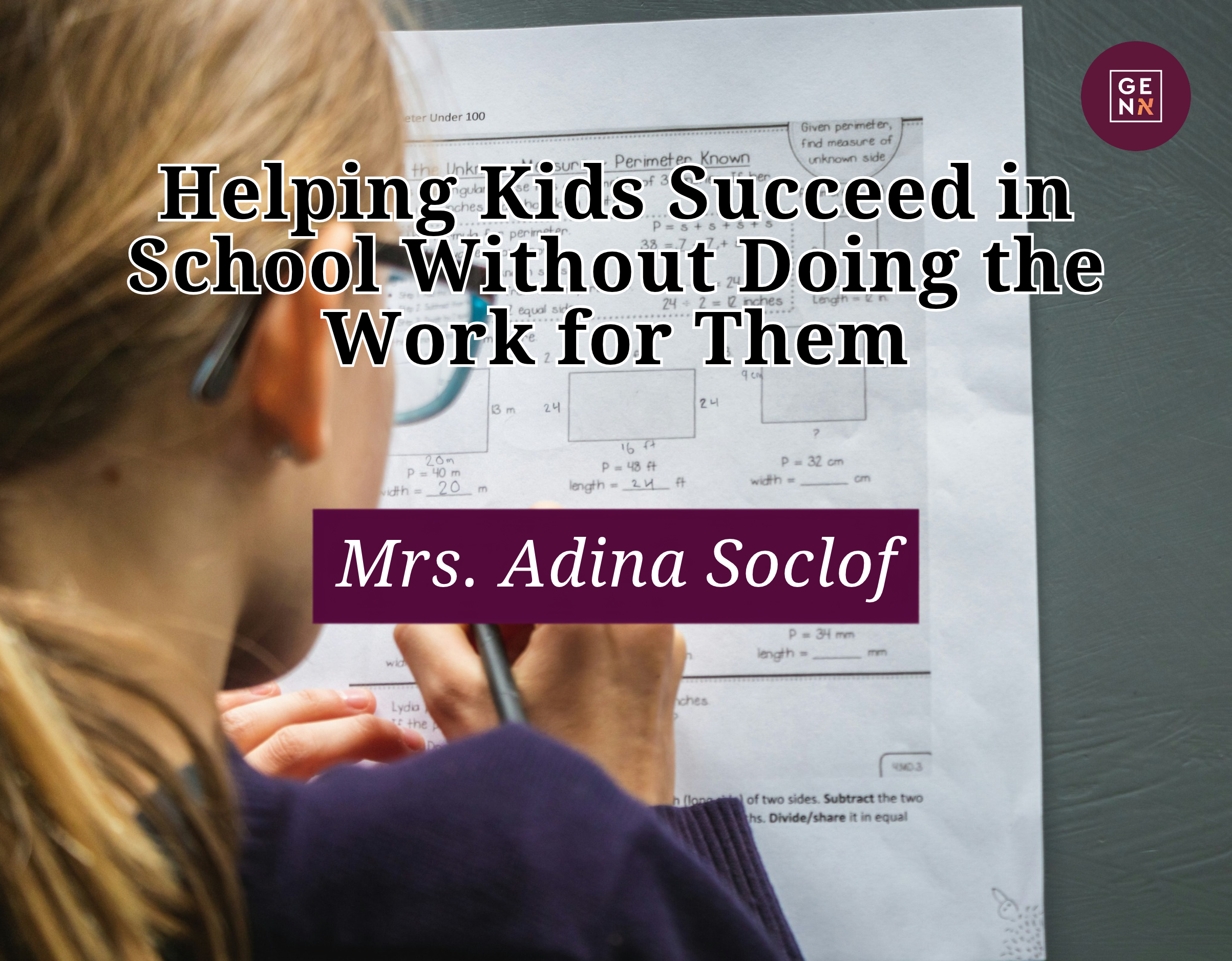
There is homework to complete, tests to study for, and sometimes subjects that our children find challenging. As parents, we want our children to do well in school. However, we also want them to become independent, confident learners who know how to tackle challenges.
Here are three simple ways we can help.
1. Let Them Struggle a Little
It’s difficult to watch our children struggle, especially when we know the answer or can easily solve the problem for them.
When our children have trouble with homework, our first instinct may be to jump in and help. But when we do too much, we may unintentionally send the message that they can’t manage without us.
Learning often requires effort, patience, and a little frustration. Instead of giving them the answer, we can ask, “What have you tried so far?” or “What’s one thing you could do next?”
Of course, there’s a difference between allowing a child to work through a manageable challenge and leaving them overwhelmed. Our job is to provide support without taking over.
2. Make Mistakes Part of Learning
Many children become discouraged when they make mistakes. They might say, “I’m terrible at math,” or “I’m never going to understand this.”
We can help them understand that mistakes are a normal part of learning.
Instead of immediately correcting them, we might say, “Let’s look at how you figured that out,” or “What could you try differently?”
We can also share our own mistakes. When children see adults making mistakes, learning from them, and trying again, they begin to understand that getting something wrong doesn’t mean they’re incapable.
3. Focus on Strategies, Not Just Grades
It’s natural to celebrate when our children bring home a good grade. But if we focus only on results, children may begin to think that their success depends entirely on how well they perform.
Instead, we can pay attention to the process.
“I noticed that you started studying a few days before the test.”
“You tried a different way to solve that problem.”
“You kept working even when the assignment was difficult.”
This type of feedback helps children recognize which strategies are useful and encourages them to continue using them.
Building Independent Learners
As parents, we want our children to succeed in school, but our ultimate goal is to help them develop the skills they’ll need throughout their lives.
When we give them opportunities to solve problems, learn from mistakes, and recognize their own progress, we’re helping them become capable, confident learners.
Submit your questions
"*" indicates required fields