Most parents don’t wake up in the morning planning to yell at their children. We start the day with good intentions. We’re going to be patient, speak calmly, and handle whatever comes our way.
Then real life happens.
One child can’t find their shoes, another is complaining about breakfast, and someone has just spilled something all over the kitchen floor. We’ve already asked everyone to get ready three times, and we’re running late.
Before we know it, we’re raising our voices.
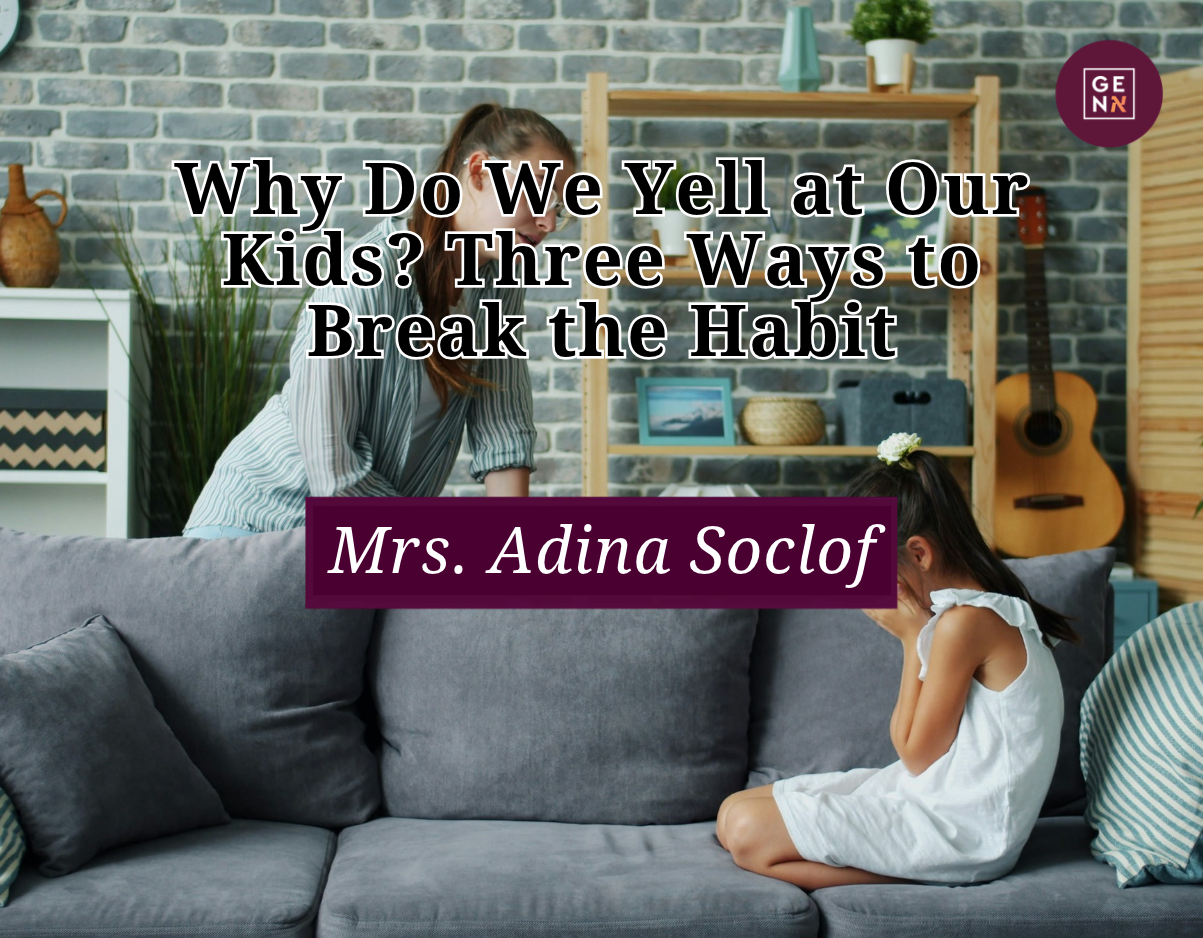
For many parents, yelling becomes a habit. We don’t necessarily want to yell, and we often feel guilty afterward, but in the heat of the moment, it’s hard to respond differently.
The good news is that managing our anger is a skill we can learn. We don’t need to eliminate frustration. We need to become more aware of what triggers it and learn to respond differently.
Here are three strategies that can help.
1. Pay Attention to Your Own Needs
When we’re exhausted, hungry, overwhelmed, or simply haven’t had a minute to ourselves, our patience wears thin. Things that ordinarily wouldn’t bother us suddenly seem unbearable.
For me, lack of sleep has always been a big trigger. If I haven’t slept well, I’m much more likely to lose my temper. Being hungry or spending too much time indoors doesn’t help either.
Of course, parents can’t always get the sleep or downtime they need. There are babies who wake up at night, children who need extra attention, and households that need to be managed. But recognizing our triggers can help us make small adjustments.
Sometimes the best parenting strategy is to eat lunch before everyone comes home from school, take a short walk, or sit down for five minutes before starting the evening routine.
It can also help to let our children know when we’re having a difficult day. We might say, “I’m feeling really tired today, and I don’t have as much patience as usual. I’m going to need everyone’s cooperation.”
This isn’t about making our children responsible for our feelings. It’s about modeling self-awareness and showing them that everyone has days when they need a little extra consideration.
2. Find Someone Who Helps You Keep Perspective
Pirkei Avot teaches us, “Acquire for yourself a friend” (1:6).
Good friends are especially valuable when we’re working on improving ourselves.
Parenting can be frustrating, and sometimes we need someone who will listen when we’ve had a particularly difficult day. A friend who understands what we’re going through can help us feel less alone.
However, there’s an important distinction between talking things through and simply complaining.
We want to find someone who can validate our feelings without encouraging us to become more upset. A good friend might say, “That sounds really frustrating,” but she might also gently help us see the situation differently.
Perhaps our child wasn’t deliberately trying to make our life difficult. Maybe he was tired, overwhelmed, or struggling with something we hadn’t considered.
Sometimes just having someone listen and helping us see things from a different perspective can make all the difference.
3. Learn to Recognize Your Warning Signs
Anger rarely comes out of nowhere.
Usually, our bodies give us warning signs before we start yelling. We might notice our shoulders tightening, our jaw clenching, our voice getting louder, or our thoughts becoming increasingly negative.
We might find ourselves thinking, “Why does nobody ever listen to me?” or “How many times do I have to say the same thing?”
These are signals that we need to do something differently.
Instead of waiting until we’re completely overwhelmed, we can learn to recognize these early signs and take action.
We might stop talking for a moment, take a few slow breaths, unclench our fists, or step into another room if our children are safe.
We can even say to our children, “I’m feeling frustrated right now. I need a minute before we talk about this.”
This teaches our children an important lesson: Feeling angry is normal, but we can choose what we do with that anger.
Small Changes Make a Difference
Learning to manage our anger takes time and practice. We won’t always get it right, but becoming aware of our triggers is an important first step.
When we take care of ourselves, find people who support us, and recognize our warning signs, we’re better prepared to handle the everyday frustrations of parenting.
We can’t prevent every difficult moment, but we can learn to approach those moments with greater patience and self-control.
Submit your questions
"*" indicates required fields